
Focused Extracorporeal Shock Wave Therapy
About Focused Extracorporeal Shock Wave Therapy
A non-invasive treatment designed to reduce chronic pain and support tissue repair in tendons, bones, and other musculoskeletal structures.
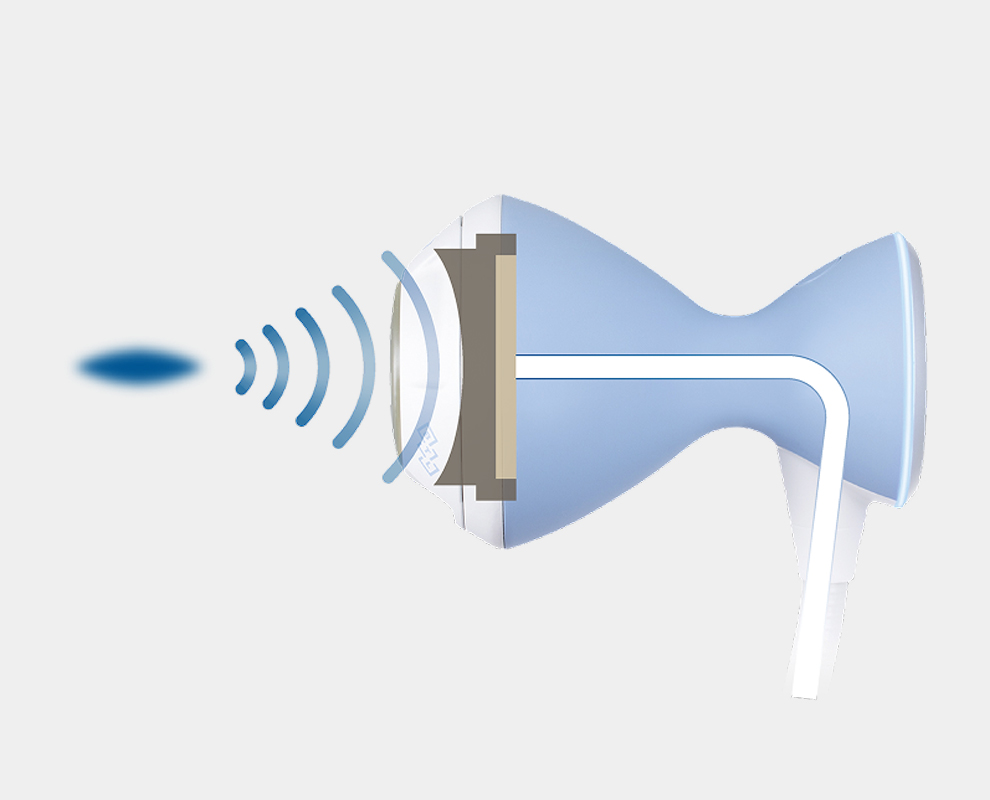
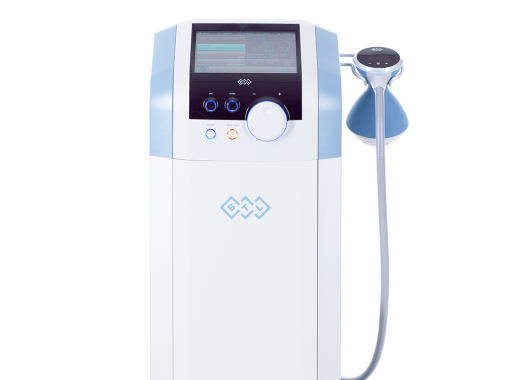
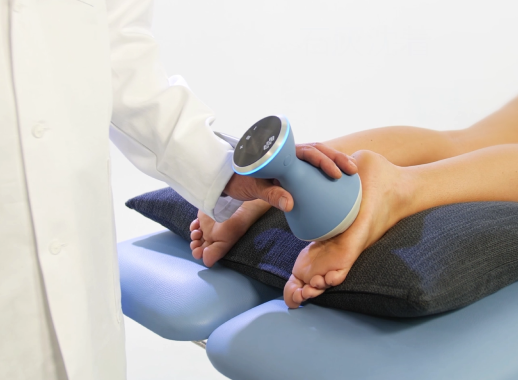
Focused extracorporeal shock wave therapy (ESWT) delivers concentrated shock waves from outside the body to a targeted area. The treatment is designed to reduce pain and stimulate the body’s natural healing response. It does not require surgery or injections and can be performed on an outpatient basis. At our clinic, we use the BTL-6000 Focus.
Who May Benefit
- Tendon pain lasting for more than 3 months, such as pain in the heel, elbow, knee, Achilles tendon, or shoulder
- Persistent symptoms despite conservative treatment such as medication, injections, or rehabilitation
- Those who want to avoid surgery or return to daily activities or sports as soon as possible
- Concerns about bone healing, including stress fractures or delayed union
Key Features
Non-invasive treatment
Because treatment is applied from outside the body, hospitalization is not required and it can be performed on an outpatient basis.
Pain relief
ESWT may provide meaningful pain relief for chronic musculoskeletal conditions.
Supports tissue repair
It may support tendon and bone repair by promoting processes such as new blood vessel formation and the release of growth factors.
How It Works
Pain relief
Shock waves may reduce pain through effects on pain-related nerve endings and pain-modulating mechanisms.
Promotion of healing
The treatment may support healing through improved blood flow, new blood vessel formation, activation of stem cells, and the release of growth factors.
Anti-inflammatory effects
ESWT may help regulate inflammatory signaling and support improvement in chronic inflammation.
Main Indications
At our clinic, we use the characteristics of focused ESWT to target deeper areas and structures such as tendons and bone. Suitability is determined based on each patient’s condition.
Chronic Tendinopathy and Enthesopathy
- Tenosynovitis of the hand, including trigger finger
- Periarthritis of the shoulder
- Myofascial pain syndrome of the lower back or neck
- Plantar fasciitis, with or without a heel spur
- Achilles tendinopathy
- Patellar tendinopathy (jumper’s knee)
- Lateral epicondylitis (tennis elbow) / medial epicondylitis (golfer’s elbow)
- Greater trochanteric pain syndrome
- Shin splints (medial tibial stress syndrome)
- Calcific rotator cuff tendinopathy (calcific tendinitis of the shoulder)
Bone Conditions
- Delayed union / nonunion
- Stress fractures, including lumbar spondylolysis and metatarsal fractures
- Avascular necrosis without significant joint deformity
- Osteochondritis dissecans (OCD) without significant joint deformity
Osteoarthritis
- Knee or hip osteoarthritis, with suitability determined according to the individual condition
Treatment Process & Number of Sessions
Medical consultation and assessment
Review of symptoms, tenderness, movement, and imaging when needed
Explanation of the treatment plan
Expected outcomes, number of sessions, and precautions
Treatment
The treatment area is identified using ultrasound, areas of tenderness, and imaging findings when appropriate
Follow-up and assessment of treatment response
Changes in pain are reviewed, with follow-up imaging when needed
Approximate treatment time: 15 minutes
Typical Number and Frequency of Sessions
In many cases, changes are assessed after 2 to 3 treatment sessions. We generally begin with 3 sessions and then evaluate the response.
Example treatment schedule
- Once every 2 weeks × 3 sessions, adjusted depending on the treatment area
- If needed, additional sessions may be continued every 2 to 4 weeks
*Pain relief and tissue healing do not always occur at the same time. Even if pain improves, it is important not to increase activity or loading too quickly.
Precautions and Contraindications
Pain, Temporary Reactions, and Aftercare
Pain during treatment
Some pain or discomfort may occur during treatment. The energy level is adjusted according to your response.
Possible reactions, usually temporary
Possible reactions include redness, swelling, soreness, or temporary changes in pain.
On the day of treatment
Please avoid strenuous exercise on the day of treatment. Do not apply ice to the treated area.
Contraindications and Conditions Requiring Careful Assessment
- Malignancy at the treatment site
- Pregnancy when the treatment area is near the fetus
- Severe coagulation disorders
- Treatment over the lungs, which is contraindicated for high-energy focused ESWT
- Treatment over the brain or spinal cord, including areas considered relative contraindications
*Final suitability for treatment is determined by the physician based on the consultation and examination findings.
Frequently Asked Questions
When can I expect to notice an effect?
A: Some patients notice pain relief immediately after treatment, but changes are often noticed after 2 to 3 sessions.
Can one session still be helpful?
A: Some patients experience temporary improvement after one session, but multiple sessions are generally recommended.
Is the treatment painful?
A: Some pain or discomfort may occur. The energy level can be adjusted according to your response, so please let our staff know how you feel during treatment.
When can I return to sports?
A: Please avoid strenuous exercise on the day of treatment. From the following day, activity can usually be resumed gradually depending on your symptoms. Please discuss your return to sports with your physician.
*Treatment response varies between individuals. This information is provided as general guidance and does not guarantee a specific treatment outcome.